Ipamorelin Dosage for Sleep: Can Growth Hormone Support Deep Wave Recovery?
Ipamorelin Dosage for Sleep: Can Growth Hormone Support Deep Wave Recovery?

High performers often track sleep with Oura or Whoop, only to find that deep sleep remains stubbornly low. Even with optimized nutrition and training, recovery can plateau. For men and women focused on longevity, muscle retention, and metabolic health, the conversation eventually turns to growth hormone and peptides.
Ipamorelin is one of the most widely discussed growth hormone secretagogues. But what does the data actually say about the Ipamorelin dosage for sleep, and can it meaningfully support deep-wave recovery?
At OmniRx Health, we help patients nationwide from Los Angeles and Scottsdale to Austin, Miami, and NYC navigate peptide therapy with licensed medical oversight. Here’s what you should know before considering growth hormone support.
What Is Ipamorelin? (Growth Hormone Secretagogues Explained)
Ipamorelin is a selective growth hormone–releasing peptide (GHRP). It stimulates the pituitary gland to release growth hormone (GH) by mimicking ghrelin signaling, without significantly increasing cortisol or prolactin levels, an issue seen with older GHRPs.
Unlike direct growth hormone injections, Ipamorelin works upstream. It enhances your body’s own pulsatile GH release pattern, which is important because natural growth hormone secretion peaks during deep, slow-wave sleep (SWS).
Research consistently shows that growth hormone is primarily released during stage 3 sleep, the deepest, most restorative phase. According to sleep studies published in the Journal of Clinical Endocrinology & Metabolism, slow-wave sleep and GH secretion are closely linked in healthy adults.
That connection is the reason Ipamorelin is often discussed in sleep optimization protocols.
Why Growth Hormone Matters for Deep Sleep and Recovery
Growth hormone influences:
- Muscle repair and protein synthesis
- Fat metabolism
- Collagen production and skin elasticity
- Bone density
- IGF-1 production (a key recovery biomarker)
Reduced GH levels are associated with aging, poor recovery, increased body fat, and lower energy. Adults naturally experience a decline in GH beginning in their 30s and 40s.
If you’re tracking biomarkers such as:
- IGF-1 blood test meaning
- Optimal vs normal testosterone levels
- hs-CRP inflammation marker
- Ferritin levels and energy
…you may notice that poor sleep correlates with lower recovery markers.
The question becomes: can enhancing GH pulses improve deep wave recovery?
Ipamorelin Dosage for Sleep: Clinical Overview
Ipamorelin is a prescription peptide. Dosage must be determined by a licensed provider based on lab work, symptoms, and medical history.
In clinical and performance-based settings, common starting ranges include:
- 100–300 mcg per injection
- Typically administered subcutaneously
- Often taken in the evening before bed
Some protocols combine Ipamorelin with CJC-1295 (without DAC) to enhance the growth hormone pulse. This pairing is often compared in “CJC-1295 vs Ipamorelin” discussions because CJC supports GHRH signaling while Ipamorelin stimulates ghrelin receptors.
For sleep-focused protocols, providers generally recommend evening dosing to align with the natural nocturnal release of GH.
Best Time to Take Ipamorelin
The best time to take Ipamorelin for sleep support is typically:
- 30–60 minutes before bed
- On an empty stomach
- Avoiding carbohydrates close to the injection
This timing aims to enhance natural nighttime GH pulses.
Does Ipamorelin Actually Improve Sleep?
Data on direct changes in sleep architecture are limited. However, several mechanistic points are relevant:
- Growth hormone secretion is tightly linked to slow-wave sleep.
- GH deficiency has been associated with reduced deep sleep.
- GH replacement therapy in adults with deficiency has shown improvements in sleep quality in some studies.
Ipamorelin is not a sedative. It does not “knock you out.” Instead, its potential impact on sleep is indirect, supporting the hormonal environment that naturally coincides with deep recovery.
Patients often report:
- Improved sleep continuity
- Better morning energy
- Enhanced recovery metrics
- Increased HRV
However, outcomes vary. This is why medical monitoring is essential.
Safety and Monitoring: Are Peptides Safe?
A common question is: Are peptides safe?
When prescribed and monitored by a licensed provider, growth hormone–releasing peptides are generally considered well-tolerated. Possible side effects may include:
- Mild injection site irritation
- Temporary water retention
- Headaches
- Increased appetite
Monitoring typically includes:
- IGF-1 blood test
- Comprehensive metabolic panel explained
- Fasting glucose and insulin resistance blood test
- Lipids panel optimization
- Prostate-specific antigen (PSA) range (for men over 40)
At OmniRx Health, patients receive ongoing lab monitoring to ensure biomarkers remain in an optimal, not excessive, range.
Peptide Stacking: Ipamorelin Alone or Combined?
Advanced protocols sometimes include stacking strategies.
Ipamorelin + CJC-1295
Enhances both the GHRH and ghrelin pathways to produce synergistic GH pulses.
Ipamorelin + AOD-9604
Used in peptide stack for fat loss discussions, particularly when metabolic health is the goal.
Ipamorelin + BPC-157
Often explored when recovery from joint pain or injury is a focus.
Peptide stacking should be performed only under medical supervision. Improper dosing or sourcing from illegitimate peptide sources increases risk.
How to Mix and Inject Peptides Safely
For patients new to therapy, education matters.
How to Mix Peptides
- Reconstitute with bacteriostatic water
- Use sterile technique
- Store refrigerated
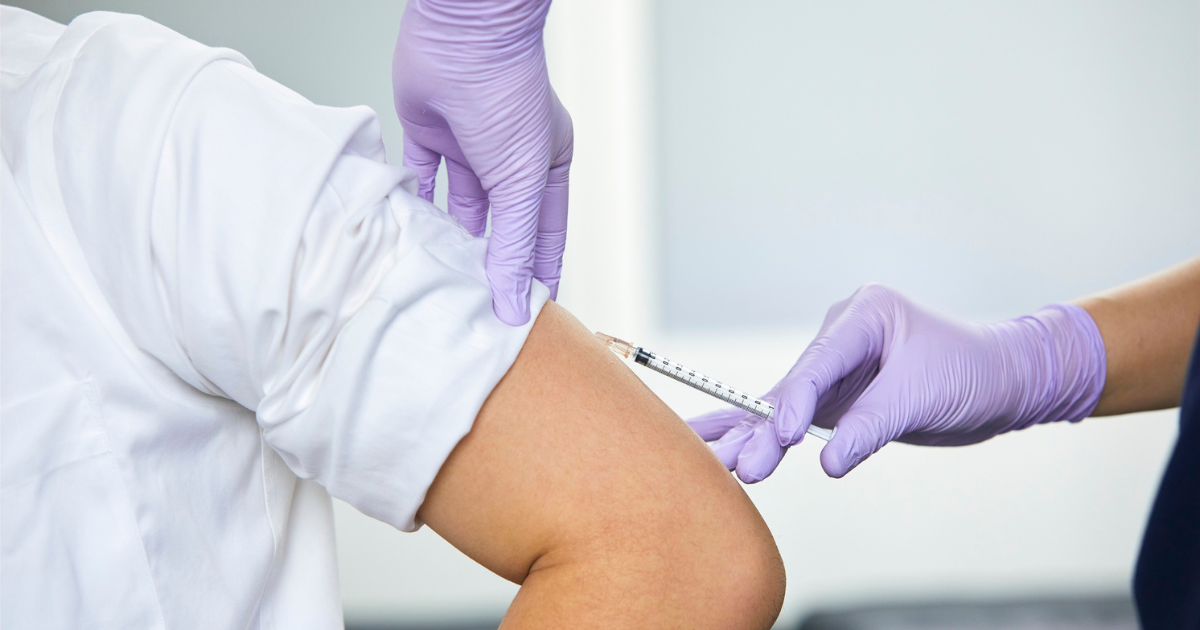
How to Inject Peptides Subcutaneously
- Inject into the abdomen or thigh
- Rotate sites
- Use insulin syringes
- Dispose of sharps properly
At OmniRx Health, patients receive guided instructions to ensure safe administration at home.
Who Might Benefit from Ipamorelin for Sleep?
Ipamorelin may be considered in patients who:
- Experience poor recovery despite optimized training
- Have low IGF-1 levels
- Report fatigue and brain fog
- Are you managing TRT and optimizing blood work for fatigue
- Show high cortisol symptoms in men
It is not a cure for insomnia. It is a hormone optimization tool.
A full male hormone panel blood test or comprehensive metabolic panel is often the first step before initiating therapy.
Biomarkers to Track During Growth Hormone Optimization
To decode your data, consider monitoring:
- IGF-1 blood test meaning and trends
- SHBG and free testosterone
- Estradiol levels in men
- hs-CRP inflammation marker
- Vitamin D and testosterone link
- Homocysteine and heart health
- Baseline health checkup for men over 40
Optimal ranges differ from “normal” lab ranges. Many labs define wide statistical norms, but performance-focused medicine often aims for individualized optimization.
Ipamorelin Therapy Cost and Convenience
Peptide therapy cost varies depending on:
- Dosage
- Combination protocols
- Lab testing frequency
Telehealth platforms like omnirxhealth.com provide nationwide access with licensed providers and home delivery, removing barriers for patients in California, Texas, Florida, Arizona, New York, and across the U.S.
Final Considerations Before Starting
Before pursuing Ipamorelin dosage for sleep support, ask:
- Have I optimized thyroid panel T3 vs T4?
- Have I ruled out iron deficiency (ferritin levels and energy)?
- Are my testosterone levels optimal or normal?
- Have I completed preventative health screenings for men?
Peptides should complement, not replace, proper medical evaluation.

Take the Next Step Toward Smarter Recovery
If deep sleep, recovery, and performance matter to you, growth hormone optimization may be worth exploring.
At OmniRx Health, we combine peptide therapy, hormone optimization, and advanced biomarker testing under licensed medical supervision. Our nationwide telehealth model allows you to:
- Get blood work done without a traditional office visit
- Review your biomarkers with a provider
- Receive personalized peptide protocols
- Monitor IGF-1, metabolic markers, and hormone levels over time
Whether you’re in Scottsdale, Miami, Austin, Los Angeles, NYC, or anywhere in the U.S., you can begin optimizing from home.
Visit omnirxhealth.com to schedule your consultation and build a recovery plan backed by data, not guesswork.
Want to learn more about how OmniRx Health handles this? Get in touch with us to see a walkthrough.