Key Questions to Ask Before Starting TRT Treatment
Many adults, especially men in their 30s, 40s, and 50s, chalk up fatigue, weight gain, or low libido to stress or aging. But what if the root cause is hormonal and fixable?
Testosterone Replacement Therapy (TRT) has gained traction in the world of medical wellness. From athletes to high-achieving professionals, many are turning to TRT to optimize performance, energy, and overall health. But TRT isn’t just about “getting a boost,” it’s a medically guided intervention that requires careful consideration.
At Omni Rx Health, we believe in personalized, responsible hormone care. If you’re considering TRT, here are the expert-level questions you should be asking before you ever fill a prescription.
Why This Guide Matters
While testosterone therapy is more accessible than ever thanks to telehealth platforms and online TRT clinics, too many patients jump in without understanding the whole picture.
This article walks you through:
- Key medical, lifestyle, and safety questions to ask
- What labs and diagnostics really matter
- How to identify a premium, ethical provider
- The intersection of TRT with weight loss, aging, and long-term health
1. What Are My Symptoms and Are They Actually Linked to Low Testosterone?
Low testosterone (hypogonadism) can cause a wide range of symptoms:
Physical Symptoms | Emotional/Cognitive Symptoms |
Low energy/fatigue | Brain fog |
Decreased muscle mass/strength | Irritability or mood swings |
Weight gain (especially belly) | Low motivation |
Erectile dysfunction | Depression or apathy |
Decreased libido | Poor sleep |
But here’s the truth: these symptoms are nonspecific. They may overlap with thyroid dysfunction, depression, sleep apnea, or even overtraining in fitness enthusiasts.
Expert Tip
Always pair symptoms with lab values. TRT is only appropriate when both clinical symptoms and low T levels are present. A good provider will never prescribe based solely on symptoms.
2. What Does a Proper Diagnostic Workup Look Like?
Before starting TRT, your provider should order a comprehensive hormonal panel. At a minimum, look for these baseline labs:
Required Lab Tests | Purpose |
Total Testosterone (morning draw) | Confirms low T levels |
Free Testosterone | Measures bioavailable testosterone |
SHBG (Sex Hormone Binding Globulin) | Affects free T availability |
LH and FSH (pituitary hormones) | Rules out primary vs. secondary causes |
Estradiol (E2) | Monitors estrogen balance |
CBC (Complete Blood Count) | Screens for elevated red blood cells |
PSA (Prostate-Specific Antigen) (men only) | Screens for prostate health |
Lipid Panel, A1C, Liver Function | General metabolic health |
Did You Know? The Endocrine Society defines low testosterone as consistently below 300 ng/dL, but many men have symptoms at higher levels due to low free T or SHBG irregularities.
3. Is TRT Safe for Long-Term Use?
When prescribed responsibly and monitored regularly, TRT can be a safe and effective option. However, it’s not without risks:
Potential Side Effects
- Elevated red blood cell count (polycythemia)
- Acne or oily skin
- Male pattern hair loss
- Suppressed natural testosterone production
- Testicular atrophy
- Sleep apnea (if untreated)
What To Look For in a Safe Program
- Ongoing bloodwork every 3–6 months
- Adjustment of dosage based on labs and symptoms
- Access to a provider who reviews results personally
- Clear discontinuation plan if side effects occur
Premium Care Insight
At Omni Rx Health, every TRT prescription includes a follow-up roadmap, from dose titration to lab reviews, because sustainable outcomes start with oversight.
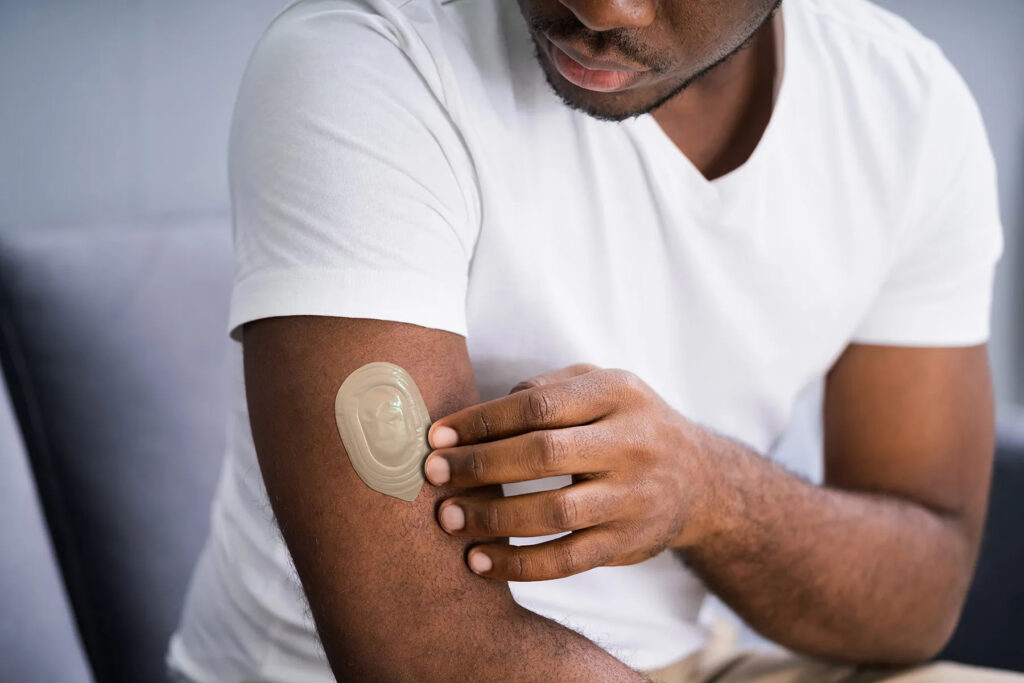
4. What Is the Delivery Method, And Does It Fit My Lifestyle?
TRT isn’t one-size-fits-all. Your provider should explain the pros and cons of each option.
Method | Pros | Cons |
Injections | Most affordable; weekly/biweekly dosing | Peaks and valleys; requires needles |
Topical Gels | Easy to apply; stable levels | Risk of transfer to others; daily use |
Pellets | Low maintenance (inserted every 3–6 mo) | Surgical procedure; less flexible dosing |
Nasal Gels | Fast-absorbing; less risk of transfer | 2–3x/day dosing; newer on market |
Ask Yourself
Can I commit to injections, or do I need a less invasive option? Will I have ongoing support to switch methods if required?
5. How Will TRT Impact Fertility or Other Health Goals?
TRT often reduces sperm production and testicular size due to suppressed luteinizing hormone (LH). If you’re planning for children, this is a critical discussion.
Ask About
- HCG co-prescription to preserve fertility
- Alternative protocols like Clomid or enclomiphene
- Non-TRT options if fertility is a short-term priority
Bonus Insight
Some men also combine TRT with GLP-1 therapies (e.g., Semaglutide) for medical weight loss. This dual strategy can enhance fat loss, energy, and metabolic function, mainly when overseen by a provider like Omni Rx Health, which offers both.
6. How Do I Choose a Trusted TRT Provider, Not Just a Mail-Order Service?
Telehealth TRT is growing fast, but quality varies.
Look For
- Providers licensed in your state
- A medical team experienced in hormone replacement therapy for men
- Programs that require labs, not just a quick questionnaire
- Patient-first policies: no auto-shipments, cancellation options, real doctor access
Red Flags
- Providers who offer TRT after a single yes/no quiz
- No follow-up labs required
- No screening for cardiovascular, prostate, or metabolic risk factors
- Clinics making wild claims or showing extreme before/after photos
Why Omni Rx Health? We’re not here to sell hormones; we’re here to deliver medically guided wellness. From online TRT clinic access across the U.S. to long-term health tracking, we treat you like a patient, not a transaction.
7. What Lifestyle Changes Will Maximize Results?
TRT alone won’t replace poor sleep, junk food, or chronic stress. In fact, research shows TRT works best when paired with these strategies:
Actionable Tips Backed by Data
Strategy | Why It Matters |
Strength Training 3x/week | Increases testosterone sensitivity and muscle-building potential |
7–8 Hours of Sleep Nightly | Poor sleep can blunt testosterone production and impair recovery |
Moderate Cardio | Supports heart health without suppressing hormones like cortisol |
Mediterranean Diet | Anti-inflammatory and supports metabolic and hormonal health |
Limit Alcohol | Excess alcohol lowers testosterone and increases estrogen |
Manage Stress | Cortisol and testosterone have an inverse relationship |
Stat Snapshot
A 2021 study in JAMA Network Open found that men who combined TRT with lifestyle coaching lost 3x more weight and experienced 2x greater mood improvements than those who received TRT alone.
8. What’s the Real ROI of Starting TRT Treatment?
The return on investment isn’t just physical, it’s functional.
When Done Right, TRT May Support
- Increased energy and productivity
- Improved mood, confidence, and relationships
- Easier fat loss and muscle gain
- Better sleep quality and recovery
- Stronger bone density and cardiovascular markers
- Motivation to engage in healthier routines
But none of this happens overnight or without medical guidance.
9. How Will My Progress Be Tracked Over Time?
You should expect more than a set-it-and-forget-it approach.
Ask your clinic:
- How often are labs repeated?
- Will I have access to my provider for adjustments?
- Are there clear guidelines for stopping or tapering if needed?
At Omni Rx Health, our TRT patients receive ongoing support, built-in follow-ups, and a clear strategy for evaluating progress because long-term health beats short-term hype.
10. What About Cost, Insurance, and Accessibility?
TRT pricing varies by clinic and delivery method. Most insurance plans do not cover it unless medically necessary.
What to Ask
- What does my monthly cost include? (labs, meds, consults?)
- Can I cancel or pause if needed?
- Is this provider licensed in my state for telehealth care?
Omni Rx Health offers transparent pricing, no hidden fees, and flexible care across all U.S. states. So whether you’re in New York, Texas, or California, you can start safely and confidently.

It’s Your Health. Ask Better Questions.
TRT isn’t about shortcuts or quick fixes; it’s about strategy, data, and real healthcare. Asking thoughtful questions before starting testosterone therapy can make the difference between wasted money and lasting results.
If you’re ready to explore TRT with real medical guidance and support:
Take the Next Step: Book a Consultation
At Omni Rx Health, we combine expert hormone therapy with modern telehealth access, delivering the highest level of care no matter where you are in the U.S. Ready to feel like yourself again?
Book your TRT consultation today.
Explore more wellness strategies on the Omni Rx https://omnirxhealth.com/blogealth Blog.