The Best Product for Receding Hairline: Effective Solutions to Try
Understanding Receding Hairline
What is a Receding Hairline?
Receding hairlines are one of the most common early signs of male pattern baldness (androgenetic alopecia). It occurs when the hairline gradually moves back, revealing more of the forehead. This process often starts at the temples and progresses over time, creating a distinct M-shaped pattern on the scalp.
While a receding hairline is more prevalent in men, women can also experience hair thinning around the temples due to hormonal changes, aging, and genetics. Some individuals may see hair loss begin as early as their 20s, while others may not notice it until middle age.
Why Does Hair Recede?
The primary cause of a receding hairline is genetics, with hair loss being hereditary in most cases. However, several other factors can contribute, including:
- Hormonal imbalances (particularly dihydrotestosterone or DHT)
- Stress, poor diet, and smoking
- Medications and underlying medical conditions
- Natural aging and decreased follicle activity

The Norwood Scale and Stages of Hair Loss
The Norwood Scale Explained
The Norwood Scale is a widely accepted classification system used to assess the stages of male pattern baldness:
- Stage 1: No significant hair loss
- Stage 2: Slight recession at the temples
- Stage 3: Deeper temporal recession
- Stage 4: Visible bald spots at the crown and front
- Stage 5–7: Extensive baldness with minimal hair coverage remaining
Starting treatment early during these stages significantly improves the chances of regrowth and slowing down further hair loss.
Stages of a Receding Hairline
Understanding the stages can guide you toward the right intervention:
Stage 1: Thinning Hair
Subtle temple hair loss and forehead recession begin.
Stage 2: Hairline Recession
More defined M-shape at the front hairline with possible crown thinning.
Stage 3: Vertex Balding
Hair loss spreads to the crown and front hairline simultaneously.
Stage 4–5: Advanced Hair Loss
Extensive recession with only sparse areas of hair left on the scalp.
Causes of a Receding Hairline
Hormonal Changes and Genetics
DHT, a byproduct of testosterone, attaches to hair follicle receptors and causes miniaturization, leading to thinner hair and eventual follicle shutdown. If pattern baldness runs in your family, you’re more likely to experience a receding hairline due to heightened DHT sensitivity.
Lifestyle Factors and Hair Loss
- Poor nutrition, including deficiencies in biotin, zinc, and iron
- Chronic stress that elevates cortisol and disrupts hair growth
- Smoking and alcohol, which restrict blood flow to follicles
- Overuse of tight hairstyles, heat tools, and harsh hair products
Best Products and Treatments for a Receding Hairline
FDA-Approved Medications for Hair Growth
Minoxidil (Rogaine)
Stimulates blood flow to hair follicles and encourages regrowth. Available in topical foam or solution.
Ready to explore a better approach? Reach out at www.omnirxhealth.com/contact and we’ll walk you through it.
Finasteride (Propecia)
Blocks DHT production to prevent follicle shrinkage. Must be taken consistently to maintain results.
Advanced Hair Restoration Treatments
Platelet-Rich Plasma (PRP) Therapy
At Omni Rx Health MD, PRP is one of our most popular non-surgical treatments. We extract growth-factor-rich plasma from your own blood and inject it into the scalp to rejuvenate hair follicles. This natural approach helps thicken existing hair and stimulate new growth.
Low-Level Laser Therapy (LLLT)
Using FDA-approved red light devices, this therapy boosts circulation and cell regeneration in the scalp. It’s a pain-free and convenient option offered at Omni Rx Health and Wellness, especially beneficial in the early stages of hair thinning.
Hair Transplantation for Permanent Solutions
For individuals with more advanced hair loss, hair transplantation may be the most effective solution.
Follicular Unit Transplantation (FUT)
A strip of scalp is removed and dissected into grafts, which are transplanted to balding areas.
Follicular Unit Extraction (FUE)
Individual follicles are harvested and placed into thinning zones, minimizing scarring.
Omni Rx Health and Wellness partners with skilled surgeons to provide referrals for patients seeking advanced restoration options.
Natural Remedies and Lifestyle Changes
Essential Oils and Scalp Massage
- Rosemary oil has shown similar effectiveness to minoxidil
- Daily scalp massage helps increase blood circulation
Nutritional Supplements for Hair Health
- Biotin, iron, zinc, and omega-3s support follicle function
- Omni Rx Health and Wellness offers nutraceutical guidance as part of our comprehensive approach
Gentle Shampoo and Healthy Diet
- Use sulfate-free shampoos and lukewarm water
- Focus on antioxidant-rich foods, leafy greens, berries, and lean proteins
Stress Management and Hair Care Routine
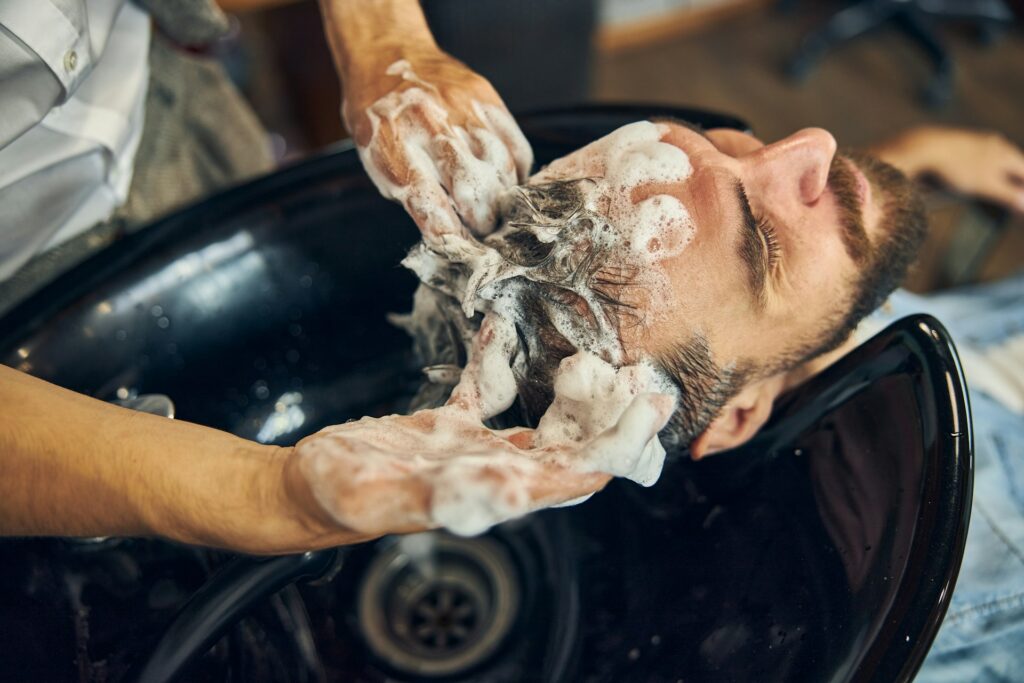
Mindfulness practices, exercise, and reducing chemical exposure are all steps we recommend to preserve hair health. Our specialists at Omni Rx Health and Wellness guide you through tailored changes that work with your lifestyle.
Frequently Asked Questions
Can a receding hairline grow back?
It’s possible to regrow some hair in early stages using treatments like minoxidil, PRP, and laser therapy.
How long does it take to see results?
Most people start seeing results within 3–6 months of consistent treatment.
Do natural remedies work for a receding hairline?
They help improve scalp health but work best when combined with medical therapies.
Conclusion
A receding hairline can be frustrating, but it’s not the end of the road. With early intervention and the right combination of science-backed treatments, there’s real potential to slow or reverse hair loss.
At Omni Rx Health and Wellness, we specialize in personalized wellness and regenerative solutions, including PRP therapy, low-level light therapy, and hormone optimization to support healthy hair. Whether you’re in the early stages or dealing with more advanced loss, our team is here to help you regain confidence and restore your hairline.